The Injection Molding Process: How Polymer80 Frames Are Manufactured
The Injection Molding Process: How Polymer80 Frames Are Manufactured
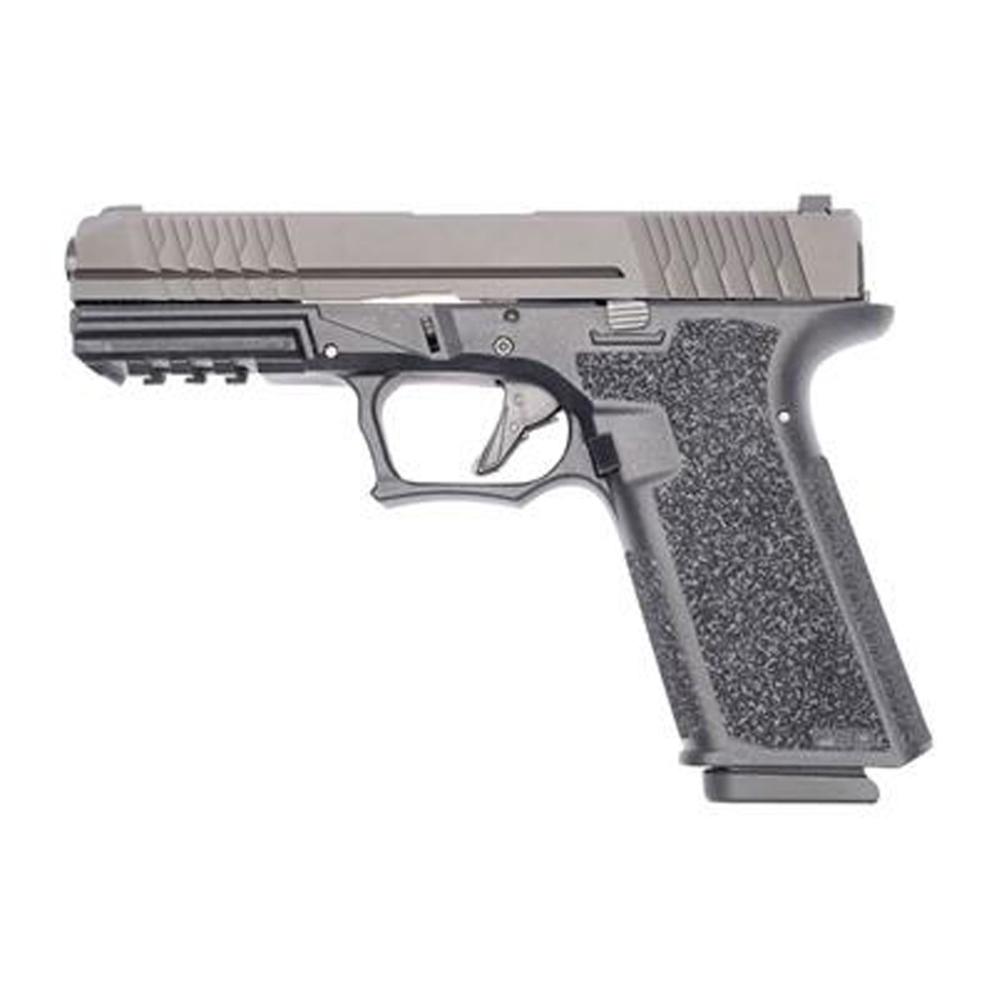
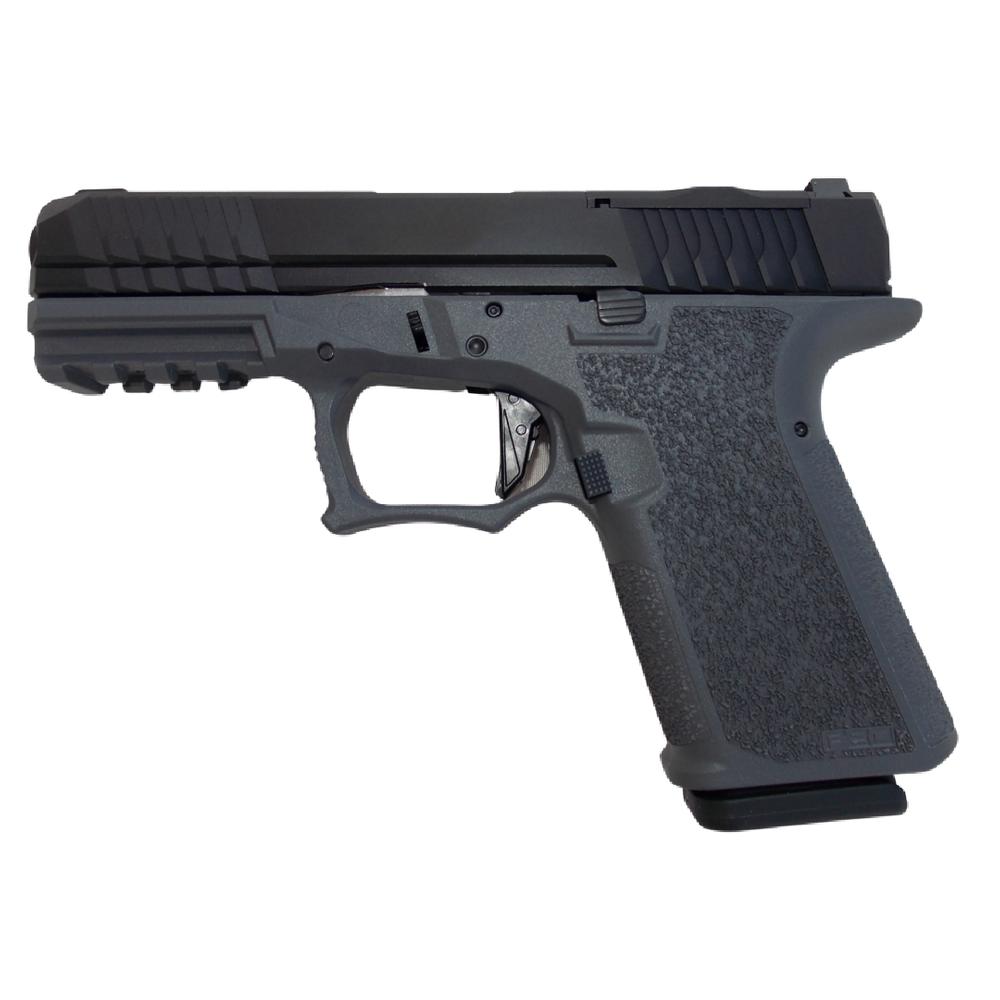
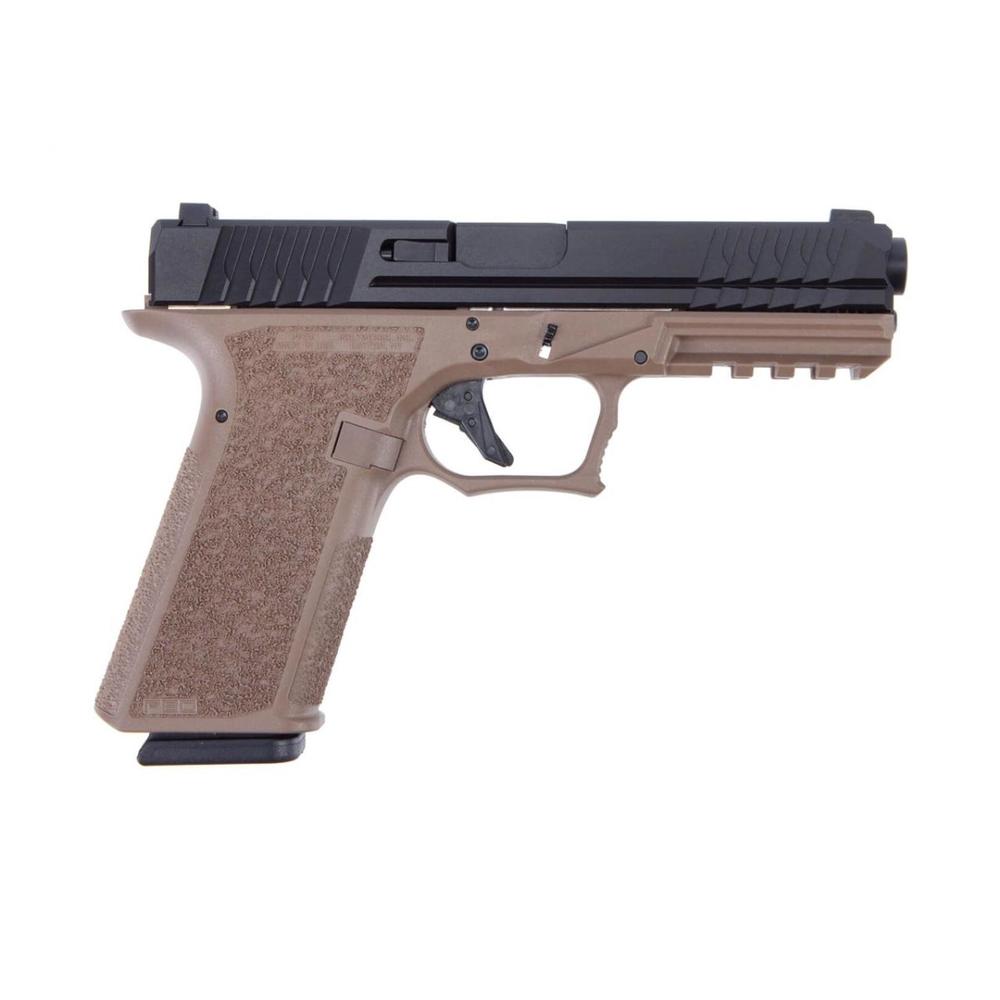
Open the box of a new P80 frame and you'll find a precisely molded block of polymer with specific tabs and sections clearly marked for removal. This isn't a finished firearm; it's an 80% frame, a product of high-pressure injection molding that starts with raw polymer pellets and ends with the foundation for a custom build. The journey from granule to grip involves engineering-grade materials, multi-ton presses, and strict quality control to produce a consistent, durable platform. Understanding this process explains why these frames have become the standard for builders who demand reliability from the ground up.
The Raw Material: Engineering-Grade Polymer Resin
It doesn't start with liquid plastic. Polymer80 frames are molded from a specific nylon polymer resin, typically a glass-filled nylon like PA6 or PA66. These pellets are chosen for their exceptional strength-to-weight ratio, dimensional stability, and resistance to heat and chemicals—far beyond what's used in common consumer plastics. The resin is dried in industrial hoppers to remove all moisture, a critical step, as any residual water turns to steam during molding, causing voids and weaknesses. At Polymer80Shop, when we handle a PF940v2 or a PF9SS frame, the solid, dense feel is a direct result of this premium material selection. The specific polymer blend is a proprietary formula designed to withstand the stresses and heat generated by a reciprocating slide and repeated firing cycles.
The Heart of the Process: High-Tonnage Injection Molding
The dried polymer pellets are fed into the barrel of an injection molding machine, where they are heated to a precise molten state. This liquid polymer is then injected under extreme pressure—often hundreds to over a thousand tons of clamping force—into a hardened steel mold, or tool. The mold itself is a masterpiece of CNC machining, creating the exact negative of the frame, including every rail slot, pin hole, and textured grip panel. The polymer is forced into every crevice of the mold cavity, where it is held under pressure as it cools and solidifies. This high-pressure packing is what gives the frame its density and lack of porosity. Cycle times are measured in seconds, but the setup, tooling maintenance, and quality checks behind each PF45 or PF940SC frame represent a significant industrial investment.
Post-Processing and Quality Assurance
Once ejected from the mold, the "raw" frame undergoes several post-processing steps. The sprue and runners—the channels through which the plastic flowed into the mold—are trimmed off. Each frame is then visually inspected for any flaws like sink marks, short shots, or flash. Critical dimensions, especially the fire control group pocket and the rear rail module seat, are verified with precision gauges. It's at this stage that the frame is deliberately left at 80% completion. The Jig and drill bits included with every kit from Polymer80Shop are precisely engineered to guide the builder in finishing the critical fire control cavity and drilling the trigger and locking block pin holes, tasks that the manufacturer intentionally leaves for the end user to comply with regulations.
From Molded Block to Build-Ready Kit
After QA, the frame is packaged with its corresponding jig and necessary tooling. A complete Polymer80 kit, like the popular PF940C (Compact) or PF940v2 (Full Size) kits, includes this molded frame, the precision aluminum jig, drill bits for the 3mm and 4mm holes, and often the rear rail module. The frame you receive has the slide rails and external geometry fully formed. Your job is to remove the three polymer tabs (the recoil spring channel tab and the two frame rail tabs) using snips or an end mill, and then use the provided jig to drill the pin holes. This final machining step transforms the inert polymer block into a functional firearm frame, ready for parts installation.
Why the Process Matters for Builders
Knowing how these frames are made informs your build choices. The injection molding process ensures every PF940CL (Compact Long Slide) frame has identical rail geometry and locking block surfaces, which is crucial for reliable slide fit and function. The use of glass-filled nylon means the frame will not warp under normal use and provides a solid, secure anchor for all metal components. When you source your frame from a reputable vendor like Polymer80Shop, you're getting a product from the primary manufacturing stream, with the material integrity and dimensional accuracy the process is designed to deliver. This consistency is why builders can confidently pair a P80 frame with aftermarket slides and barrels from top manufacturers and expect a solid fit.
How are polymer 80 frames made?
Polymer80 frames are manufactured through high-pressure injection molding. Engineering-grade nylon polymer pellets are melted and injected under immense pressure into precision CNC-machined steel molds. The molded frame is then cooled, trimmed, and subjected to quality checks before being packaged as an 80% complete kit with its corresponding jig and drill bits for final finishing by the end user.
What is a polymer 80 frame?
A Polymer80 frame is an unfinished firearm receiver, typically made from reinforced nylon polymer, that is 80% complete as sold. It is not a firearm under federal law until the builder machines the fire control cavity and drills the pin holes. These frames serve as the foundational platform for building a custom handgun, such as a Glock-style pistol, using aftermarket or OEM parts kits.
How to finish a polymer 80 frame?
Finishing a P80 frame requires removing three polymer tabs with flush-cut snips or a milling tool and then drilling the trigger and locking block pin holes. You must use the included precision jig to guide the drill bits for absolute accuracy. After cleaning up any polymer remnants, you can install the rear rail module, front locking block, and the rest of your lower parts kit to complete the frame.
Ready to start with a frame born from this precise manufacturing process? Browse our polymer80 frames collection to find the perfect platform for your next build, from compact carry models to full-size duty-ready kits. We stock the full range of genuine Polymer80 frames and jigs to ensure your project starts right.
Last updated: March 25, 2026