What is a Polymer80 Frame? The Unfinished Foundation of a Custom Build
What is a Polymer80 Frame? The Unfinished Foundation of a Custom Build
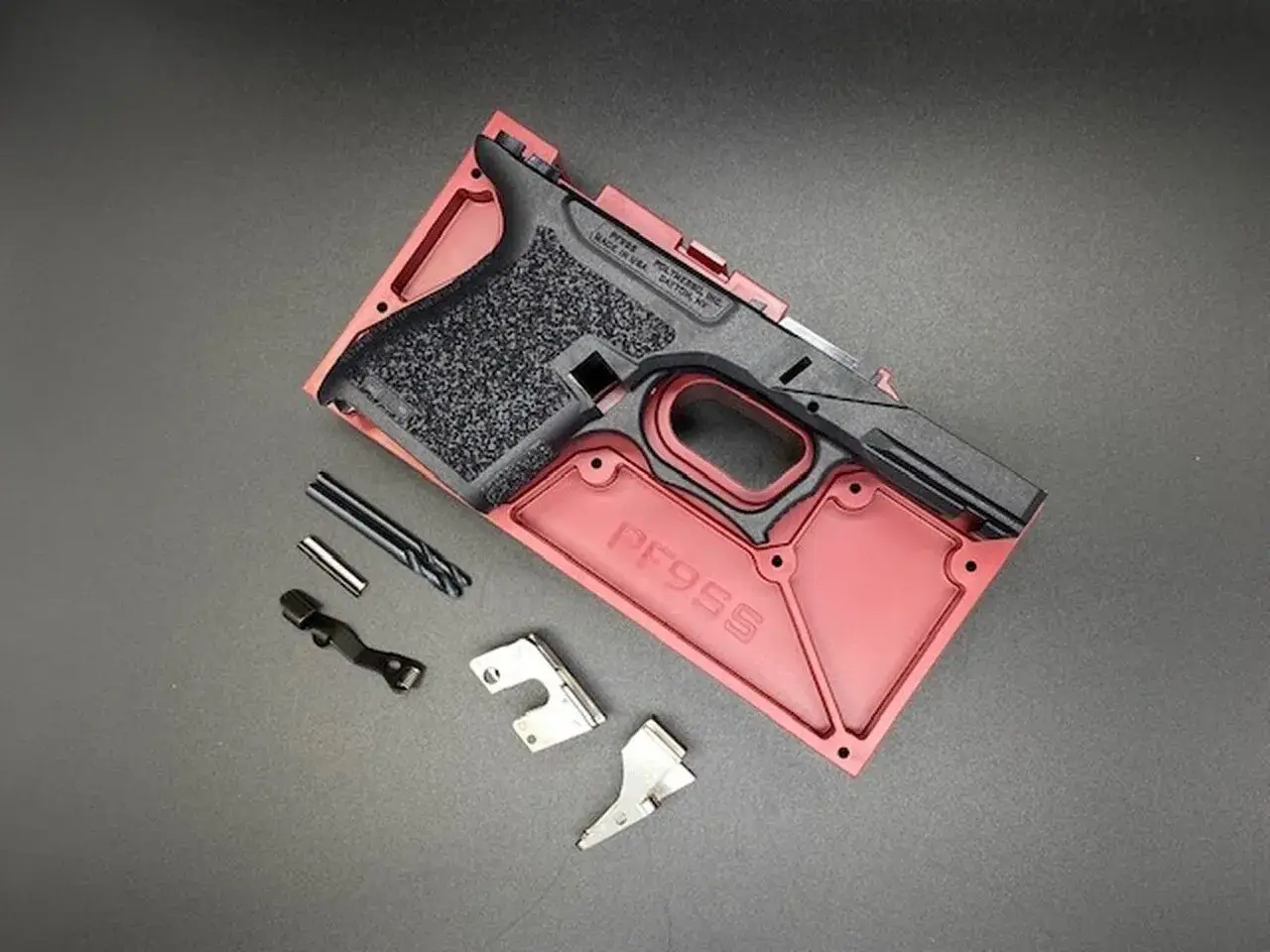
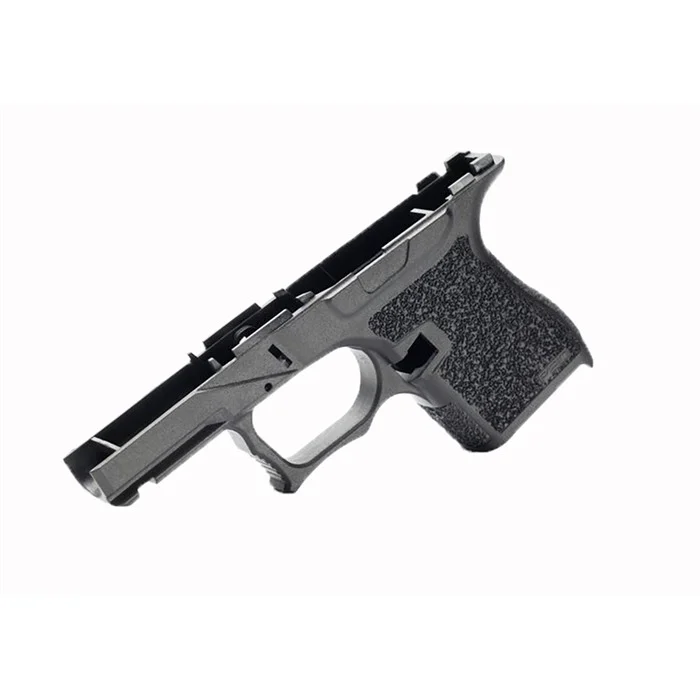
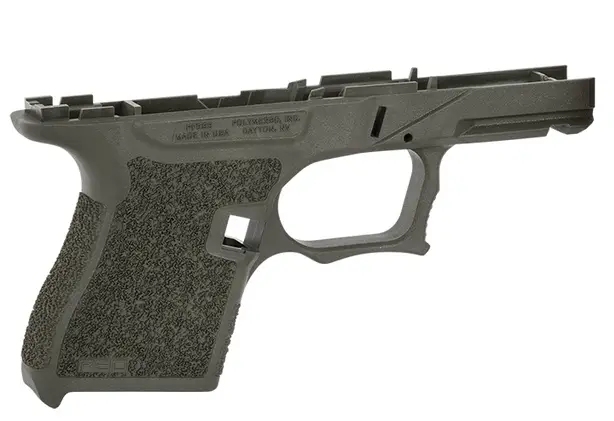
You've got a parts kit, a slide, and a vision for a custom pistol, but you're staring at a block of polymer with a few holes drilled and tabs still in place. That's a Polymer80 frame. It's not a firearm, but the unfinished, serialized component that becomes the lower receiver of a semi-automatic pistol after you complete the final machining steps. This 80% state is the legal and practical starting point for building a Glock-compatible handgun on your own terms, bypassing the FFL transfer process and starting with a platform designed for customization from the ground up.
The Core Concept: An 80% Receiver Defined
An "80% frame" or "80% receiver" is a regulatory and industry term for a firearm component that is not classified as a firearm by the ATF because it is not yet capable of accepting fire control parts and functioning. For a Polymer80 frame, this means the fire control group pocket is solid polymer, the rear rail cavity is blocked, and the trigger pin holes are not fully formed. Your work—milling, drilling, and finishing—transforms it into a functional firearm. This process, often called "completing" or "machining" the frame, is the core of the build experience. It's not assembly; it's fabrication. The most popular models, like the PF940v2 (full-size) and PF940SC (subcompact), are engineered with jig systems that guide even first-time builders through this precision work with basic tools.
Material and Construction: More Than Just "Plastic"
Calling it "polymer" undersells the engineering. Polymer80 frames are injection-molded from a proprietary, glass-reinforced nylon composite. This isn't the plastic of a toy; it's a structural grade material chosen for its optimal balance of stiffness, impact resistance, and weight. The reinforcement prevents flex and creep under stress, ensuring consistent rail-to-frame alignment which is critical for reliability. The frames also incorporate embedded metal components: stainless steel locking block rails and rear rail module. These are molded directly into the polymer, creating a permanent, rigid metal-on-metal interface for the slide. When you shop for a frame at Polymer80Shop, you're getting this complete, engineered system, not just a hunk of plastic.
The Build Process: From Blank to Functional Frame
Completing a Polymer80 frame requires specific, methodical steps. You'll use the provided jig to drill the trigger pin and rear rail pin holes with a standard drill press or hand drill. The core work is removing the polymer tabs in the fire control pocket and the rear rail cavity using a handheld rotary tool (like a Dremel) with milling bits. This isn't guesswork; the jig provides clear boundaries. The goal is a clean fit for your lower parts kit (LPK). After machining, you'll install the front and rear rail modules, then the LPK components. The final step is often a light sanding and polishing of the rail channels for smooth slide operation. A properly completed PF940C or PF45 frame will have zero play between the rails and the frame, mirroring the fit of a factory firearm.
Why Build on a Polymer80 Frame?
The reasons are practical and personal. Legally, in most states, building a firearm for personal use from an 80% frame does not require an FFL transfer or serialization (though you must be legally eligible to own a firearm). This is a key distinction from buying a complete pistol. Technically, you gain an intimate understanding of your firearm's function and can customize the grip texture, undercuts, and stippling to your exact ergonomic preference before any parts are installed. Economically, it can be a cost-effective path to a custom-spec handgun. For builders who want a specific setup—like a long-slide G34 build on a PF940v2 frame or a 10mm build on a PF45 frame—starting with a Polymer80 provides the ideal, uncluttered foundation. You can browse categories at Polymer80Shop to see the full range of platforms for calibers from 9mm to .45 ACP.
Product Ecosystem and Compatibility
Polymer80 frames are designed around Glock OEM parts compatibility, but with critical ergonomic and design enhancements. The grip angle is a more traditional 1911-style 18 degrees, versus Glock's 22 degrees. The frames also feature an aggressively textured grip and a flared magwell on most models. They accept standard Glock-compatible lower parts kits, locking blocks, and magazines. Slide compatibility is universal for the corresponding generation; a PF940C frame accepts Gen 3 G19 slides. This open ecosystem is a major advantage. Whether you're building a duty-ready G17 clone on a PF940v2 or a concealed-carry piece on a PF940SC, you have access to a vast aftermarket of barrels, slides, and triggers. For a complete build, you'll need the frame, a jig, a parts kit, a slide completion kit, and a slide/barrel assembly.
What is a Polymer80 frame?
A Polymer80 frame is an unfinished firearm receiver, typically at 80% completion, that is legally not a firearm. It is designed to be the foundation for building a custom, Glock-compatible pistol. The end user performs the final machining steps to complete it, after which it can accept fire control parts and a slide to become a functional handgun.
What are Polymer80 frames made of?
They are constructed from a proprietary, glass-reinforced nylon polymer composite, chosen for its high strength-to-weight ratio and durability. Critical stress points are reinforced with stainless steel components, including the front locking block rails and rear rail module, which are permanently molded into the polymer structure during manufacturing.
If you're ready to start your build with a proven, precision-engineered foundation, your next step is clear. Browse our polymer80 frames collection at Polymer80Shop to select the perfect platform for your caliber and size requirements. We stock the full lineup of genuine frames, jigs, and essential build kits to get your project started right.
Last updated: March 25, 2026